


Jane Smith
Marketing Manager


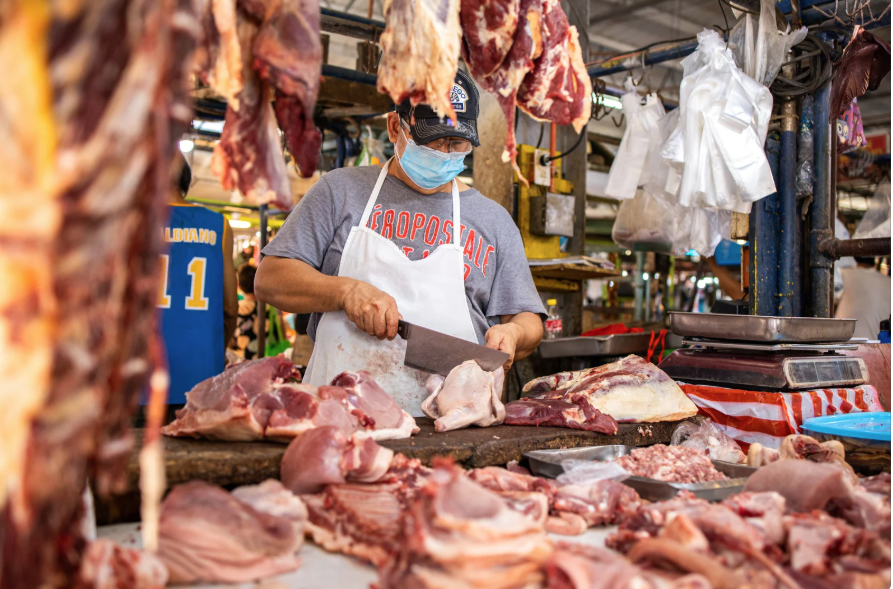
For many Philippine hospitality businesses, how operators choose and buy meat is no longer “what sells.” It is also about what keeps the kitchen moving, protects margins, and delivers consistent quality even on the busiest days. That is why today’s meat trends often sit at the intersection of operations and guest experience.
At Rare, we aim to make that intersection easier to manage by sourcing and supplying premium meats with trusted origins and careful handling, ensuring quality is easy to buy and dependable to use.
Kitchens prioritize speed, driving demand for prep-friendly cuts and standardized SKUs.
Speed has become a core kitchen advantage, especially for high-volume concepts and multi-branch operators. Standardized SKUs help teams reduce prep variability, train more efficiently, and maintain consistent plate quality across shifts. When the cuts, trim, and portions are consistent, chefs spend less time correcting and more time executing.
This is where suppliers can make a real difference. Rare highlights capabilities like reliable supply and inventory, custom cut and packing services, fast and flexible delivery, and quality assurance, all aimed at helping kitchens run with fewer surprises.
What operators are doing more often
- Setting clear specifications for top-selling proteins (portion weight, thickness, trim level)
- Using fewer “one-off” cuts and more repeatable SKUs that work across multiple dishes
- Choosing formats that reduce prep and improve yield consistency, especially for peak hours
Chicken-first, value-led menus continue to dominate
Chicken remains key for many menus because it is versatile, familiar, and easier to position at value-friendly price points. As diners prioritize affordability and convenience, chicken-forward offerings continue to win, particularly in QSR and casual dining, where speed and consistency are key.
On the supply side, operators are expanding their chicken offerings to better control costs and execution. Rare’s catalog includes chicken items such as breast fillets (skinless), drumsticks, leg quarters, wings, whole chicken, and chicken MDM, providing kitchens with multiple options to build value-led menu formats.
Practical ways to turn chicken into a stronger menu strategy
- Build a “good, better, best” ladder (value meal, signature plate, premium sandwich)
- Standardize one hero chicken SKU, then rotate flavors through sauces and seasoning.
- Use consistent portioning to maintain stable food costs, even when volumes fluctuate.
Experience-led dining is driving demand for premium beef, specialty pork, and signature meat dishes.
Even when budgets are tight, diners still spend on meals that feel worth the effort of going out for. Premium meat dishes deliver that “occasion” feeling, especially when the plating, storytelling, and cooking technique signal craftsmanship. This is why premium beef cuts and signature meat features continue to show up in both mid-market and upscale concepts.
Rare’s beef assortment includes many cuts commonly used for premium experiences, such as ribeye, striploin, tenderloin, and tomahawk, along with a range of Wagyu options.
In pork, operators are also elevating “everyday” cuts into signature dishes. Rare’s pork options include belly (in multiple formats) and loin ribs (also known as baby back ribs), both popular options for signature dish presentations.
Menu moves that are working well:
- Offer premium in multiple formats: a steak centerpiece plus smaller, more accessible versions (rice bowl, salad, pasta)
- Make it chef-led: house rubs, slow-cooking, live carving, or signature sauces.
- Protect consistency by specifying the cut details, not just the cut name.
Shared meat platter concepts continue to attract diners for group occasions.
Shared platters remain popular for nights with friends, family gatherings, and celebrations. For operators, this format can also be a smart business choice because it bundles multiple items, supports upsells, and simplifies ordering decisions for guests. When designed well, platters create high perceived value without overcomplicating the kitchen.
Execution matters, though. The best platters are built on components that are easy to cook, easy to portion, and easy to replenish.
How to design a platter that sells and stays operationally simple
- Create 2 to 3 core platter builds, then offer upgrades (premium beef add-on, extra ribs, bigger wings portion)
- Use modular components so the station flow stays the same even if the protein mix changes.
- Plan your supply as a bundle so that one missing item does not disrupt the entire platter experience.
Turning Trends Into a Stronger Menu
These trends point to a simple truth: operators and chefs want meals that feel better for guests and are easier for teams. Whether it is standardizing for speed, leaning into chicken-led value, upgrading with premium cuts, or building shareable platters consistency is the common thread that ties them all together.
Rare’s positioning aligns with that need: end-to-end service for kitchens, formats suited to quick service through fine dining, with consistent quality assurance.