


Jane Smith
Marketing Manager


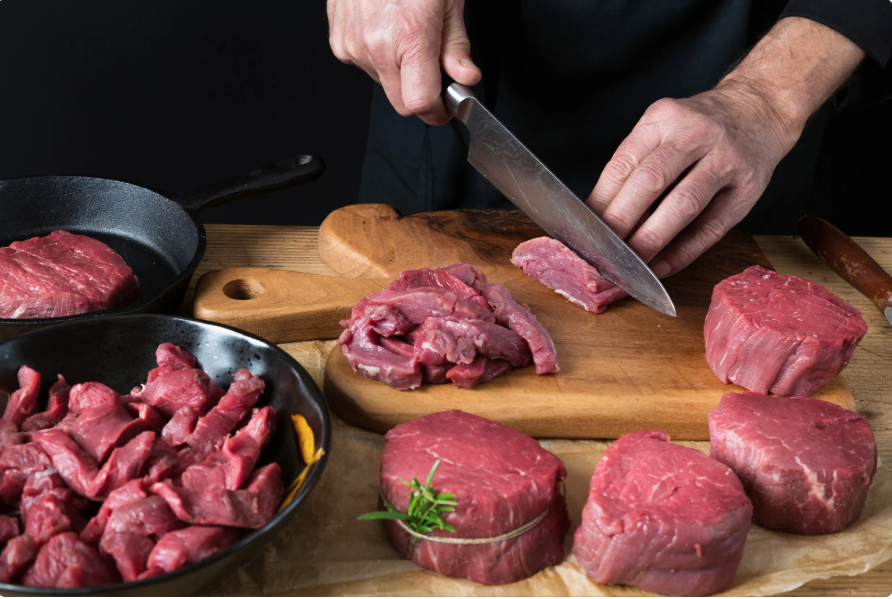
Beef can be your biggest menu win and your biggest food cost headache. The difference usually comes down to two things: choosing cuts that match your concept and stations, and buying with clear specifications so your yield and portion cost stay predictable.
This playbook is written for chefs, kitchen managers, restaurant operators, and procurement teams who want beef that performs consistently through service. It covers what to buy, where each cut shines on a menu, and what to specify when placing orders.
Rare carries a broad beef assortment that includes staples and premium cuts such as brisket, chuck, flank, ribeye, striploin, tenderloin, tomahawk, shortribs, and more.
Start with the role of beef on your menu
Before choosing a cut, decide what job the beef needs to do. A center-of-plate steak has different priorities than beef for bowls, braises, or mince. This small step keeps purchasing aligned with menu engineering.
Most beef programs fall into a few roles:
- Center-of-plate premium: steaks and signature dishes where tenderness and marbling are the headline.
- High-volume sliced protein: rice meals, stir-fries, salads, sandwiches, and small plates where portion control matters most.
- Low-and-slow: braises, stews, smoked meats, and shredded beef that turn tougher cuts into high-impact dishes.
- Ground applications: burgers and meat sauces where blend and fat ratio drive eating quality and margin.
Once the role is clear, your buying choices become easier. You can plan a tight “core set” of cuts that cover multiple dishes, then add premium specials only when they have a clear purpose.
Steakhouse Cuts and When to Use Them
When guests are paying for a premium beef moment, they want a clear upgrade in tenderness, juiciness, and presentation. That usually means classic steak cuts that can be executed cleanly on the grill, pan, or sous vide setup.
A few premium anchors commonly used in fine-dining restaurants are ribeye, striploin, tenderloin, and tomahawk, all of which appear across the catalog assortment.
How to use them well:
- Ribeye: best when you want richness and visible marbling. Works for steakhouse plating, sharing steaks, and sliced steak for premium bowls.
- Striploin: cleaner bite and consistent shape, great for portioning and high-volume steak nights.
- Tenderloin: premium tenderness, strong for tasting menus, medallions, and “special occasion” mains.
- Tomahawk: theater and sharing. It sells the experience, but it needs tight control on thickness and final cooked weight.
For premium cuts, consistency is the product. The more precise your specifications, the easier it is to protect the guest experience and avoid portion drift.
Mid-tier cuts that are premium when chefs handle them well
Many restaurants win with beef by offering a premium feel without premium cost. The cuts that shine here are the ones with strong beef flavor and the right structure for slicing, marinating, or fast-firing execution.
In the beef lineup, cuts like flank, hanging tender, oyster blade, topblade, picanha, and sirloin are useful options for this tier.Where these cuts perform best is in signature dish formats:
- Thin slicing across the grain for rice bowls and stir-fries.
- Marinades and rubs for skewers, tapas-style plates, and sharing starters.
- Steak frites-style plating for a premium bistro feel at a friendlier price point.
The key is technique and portioning. If the cut is not naturally tender like tenderloin, the win comes from proper slicing, smart cooking methods, and consistent portion specification.
Low-and-slow cuts that build signature dishes and strong margins
Braise cuts can be some of the most profitable beef items on a menu because they convert well when the process is dialed in. The tradeoff is time and planning, but the payoff is flavor depth, batch consistency, and flexible menu usage.
Classic low-and-slow cuts include brisket, chuck, shortribs, shank, and oxtail.
These cuts work especially well for:
- Shredded beef for sandwiches, tacos, rice bowls, and pasta.
- Braised mains for set menus and comfort-forward concepts.
- Specials that can be prepped ahead and finished quickly through service.
For kitchens that want a signature dish without adding complexity during peak, braise programs are a reliable approach. They also make it easier to control portion cost because the final yield can be measured and standardized.
Ground beef and trimmings as a volume and margin engine
Ground beef is often treated as a commodity, but in restaurants, it is a menu platform. Burgers, meatballs, dumplings, and sauces all live or die by the blend and fat ratio.
Our products include ground options such as Ground 80/20, and also trimmings that can support house blends depending on a kitchen’s setup.
If you want ground beef to perform consistently:
- Align fat ratio with the application (juicier burgers need higher fat, sauces can run leaner).
- Decide whether patties are formed in-house or sourced pre-portioned.
- Lock patty weight, diameter, and thickness so cook time and plating stay consistent.
For many concepts, ground beef is one of the easiest places to stabilize food cost while keeping guests happy.
Build a Beef Program That Runs Clean
A strong beef menu is rarely about carrying every cut. It is usually about carrying the right cuts, writing clear specifications, and matching them to your stations and guest expectations. Premium wins when it is intentional. Value wins when portioning and technique are disciplined. Braise wins when the process is consistent.