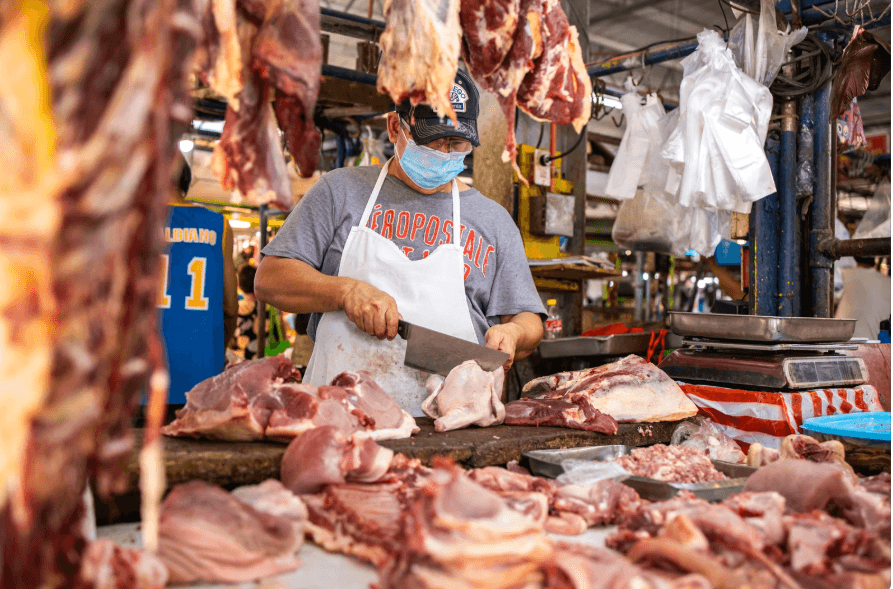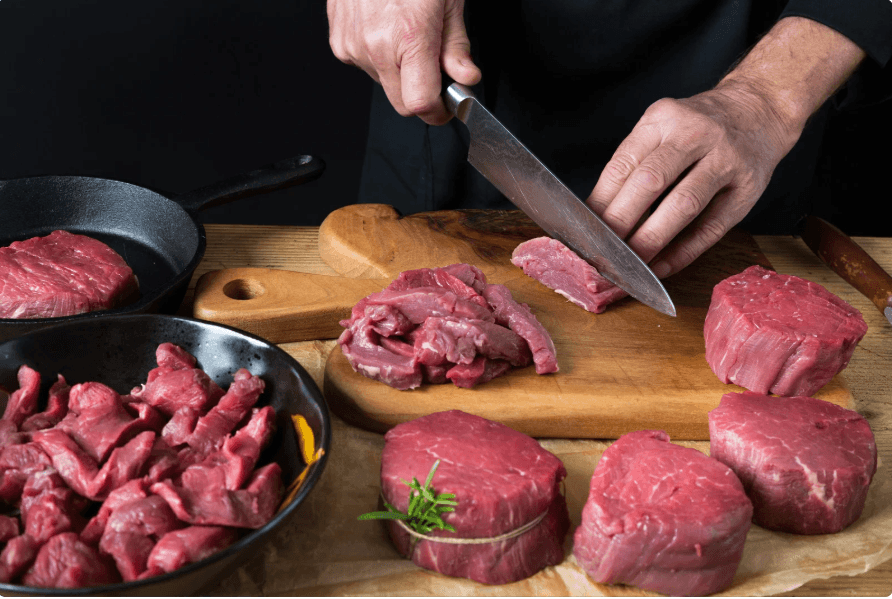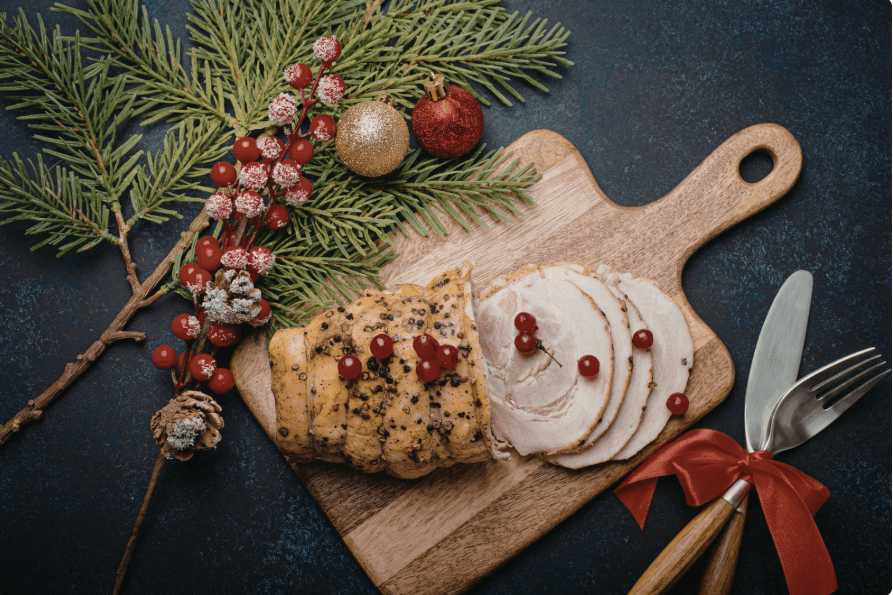
A carving station does two things really well for events. It creates theatre on the buffet, and it helps the banquet and catering teams portion consistently when volumes spike. The best results usually come from choosing the right cut for your service style, then ordering the clear specifications so yield, slicing, and holding stay predictable.
This article is meant for chefs, banquet teams, kitchen managers, and procurement leads planning holiday buffets, corporate functions, and celebrations. Rare’s beef lineup includes brisket, ribeye, rump, short ribs, striploin, tenderloin, and top sirloin.
Striploin: The Reliable Carver
Striploin is easy to execute for events thanks to its even roasting, clean slicing, and portion control. For operations with back-to-back functions, it balances yield, guest appeal, and simplicity. It also works across formats. You can run it as a classic roast with jus, slice it for steak sandwiches, or portion thicker slices for plated service. For buffets, the shape helps you maintain a consistent slice size as the roast gets smaller.
Works best for
- Hotel buffets and banquet carving stations.
- Wedding and corporate lunches where consistency matters.
- Menus that need a premium feel without the highest cost per kilo.
Ribeye: The Premium Crowd-Pleaser
Ribeye is a natural choice when you want a higher-impact carving station. The marbling reads as premium, and guests recognize it immediately. For events, ribeye performs best when the roast is treated like a “centerpiece.” It can anchor a festive buffet, and it pairs well with classic holiday sides, sauces, and carving station condiments. It is also flexible for plated upgrades when the client wants tiered packages.
Works best for
- Festive buffets and premium carving stations.
- VIP dinners and top-tier banquet packages.
- Upsell options (add-on carving station or premium beef upgrade).
Tenderloin: The Refined Upgrade
Tenderloin is the "special occasion" cut for guests seeking tenderness and a refined meal. It also carves cleanly with good technique.
For events, tenderloin is best as an upgrade station, chef-attended option, or plated main managed with strict portion control. Being leaner, it benefits from careful cooking, resting, and sauce for richness.
Works best for
- Plated banquets, set menus, and wedding mains.
- Upgrade carving stations where portions must be controlled.
- Concepts that want a refined presentation over “big roast” spectacle.
Brisket: The Volume Favorite
Brisket is strong for events because it scales, delivers deep flavour, and holds well when handled properly. This option is especially useful for large functions where you require a robust feature that remains consistent across extended service windows. It can be smoked, braised, or slow-roasted depending on your kitchen’s setup. It also transitions easily into sandwiches, rice bowls, and pasta for post-event repurposing, which helps reduce waste.
Works best for
- Large corporate events and high-volume buffets.
- Catering menus that need strong holding performance.
- Formats where leftovers can become next-day specials.
Picanha or Rump: The Value Roast
For teams seeking a cut that can feel premium at a more controlled cost, picanha and rump are smart choices for carving. They roast well, slice cleanly, and deliver strong beef flavour when seasoned and rested properly.
These cuts also work well for event menus that lean into Latin grills, steakhouse bistro style, or modern buffet concepts. When sliced correctly, they can deliver a satisfying “steak” experience at a friendlier portion cost than higher-end cuts.
Works best for
- Value-forward banquet packages with strong presentation.
- Grill-forward themes and chef-attended stations.
- Events where you want a beef feature plus room for other proteins.
Shortloin or Tomahawk: The Showpiece
If the event brief is about the “wow factor,” short loin and tomahawk-style presentations deliver. Tomahawk appears in the beef assortment, and shortloin is also listed, supporting a showpiece roast approach when the concept calls for it.
These options are best used when the carving moment is part of the entertainment. They photograph well, cue premium immediately, and justify higher menu pricing when paired with the right sides and sauces. Operationally, they require clear specification and a confident carving setup to avoid portion drift.
Works best for
- Holiday buffets and celebratory dinners.
- Chef-attended carving moments and premium packages.
- Events where presentation is part of the value proposition.
Execution Notes for Smooth Service and Better Yield
For carving stations, small process decisions quickly impact food cost. The biggest wins typically come from spec discipline and service planning, not from changing the recipe.
Here are the operational checks that consistently help:
- Order to specifications, not just cut name (trim, format, target weight range, and slice size expectations).
- Plan portioning before service starts (what is one slice, what is one portion, what is an upsell portion).
- Design a holding plan (resting time, hot holding method, and carving cadence so the roast stays juicy and sliceable).
Execution Essentials
For events, the “best” roast is the one that fits your service style. Striploin is reliable, while ribeye and tomahawk bring premium theatre. Tenderloin supports refined plating, brisket scales for volume, and picanha or rump offer strong value with the right execution. Once the cut is chosen, clear specifications and consistent handling are what turn it into a smooth carving station, rather than a stressful one.